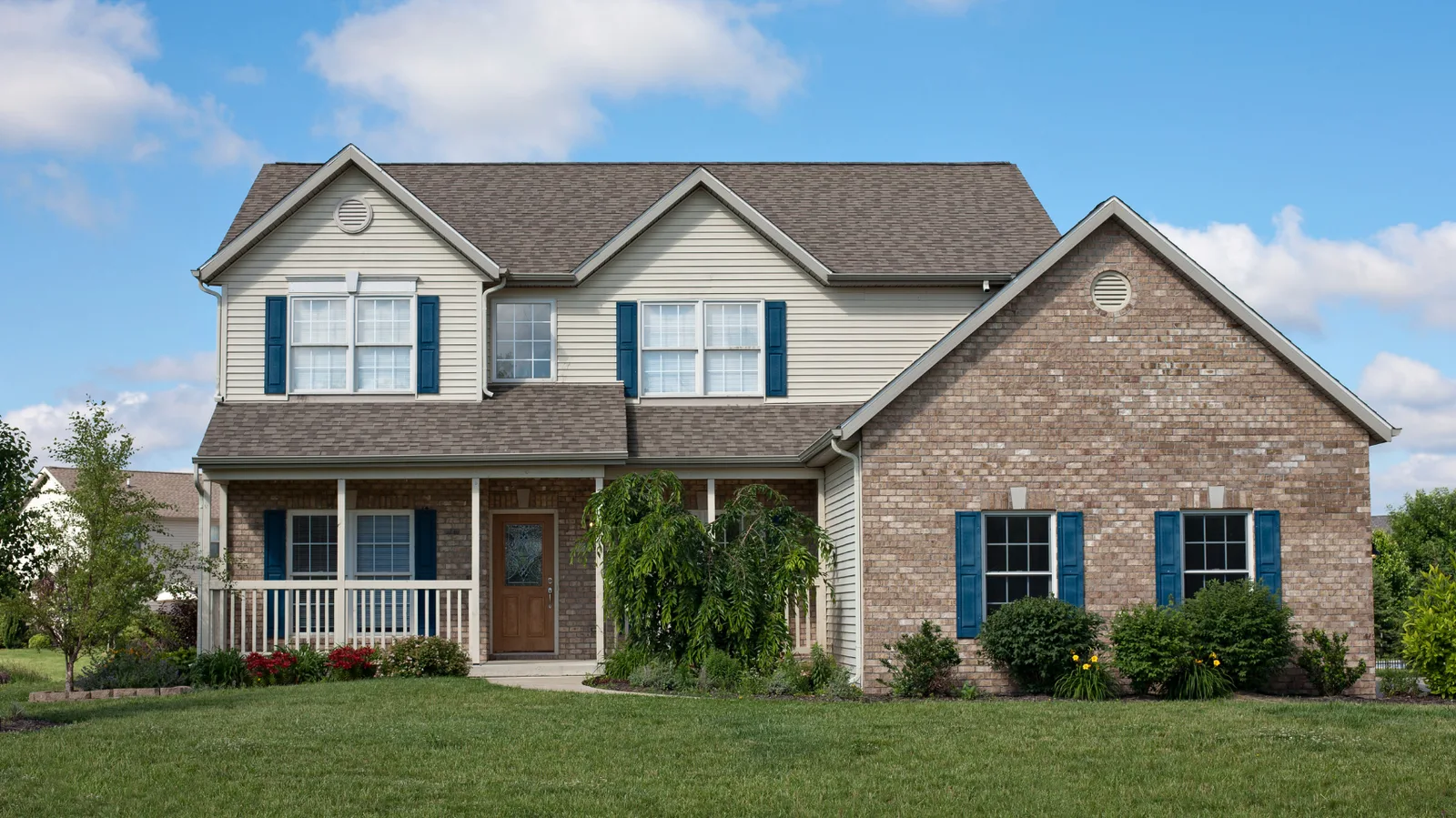
Vents and pipe boots
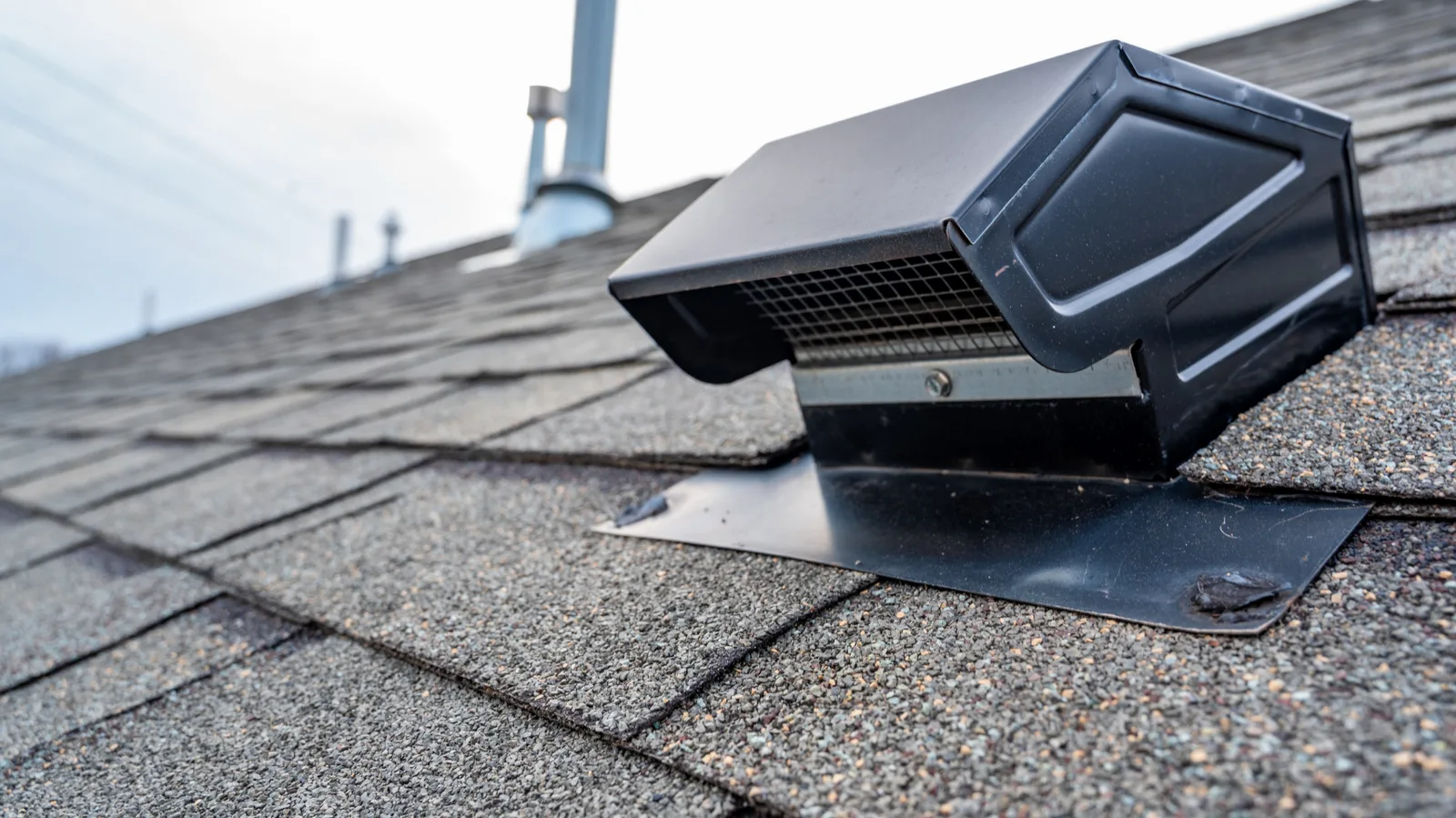
A failed rubber collar or loose base can admit water around a penetration. Repair can involve replacing the boot and integrating its flange into the surrounding courses, with sound shingles retained or replaced as necessary.

Free inspections. Clear repair and replacement options.
Water on the ceiling is the place to start, but it may be some distance from the opening in the roof. A free roof inspection can trace the covering, flashing and roof connections before the repair scope is set.
Rain can move along underlayment, a rafter or a wall before it appears indoors. We connect the interior location and timing with the roof above it, looking at the slope, nearby penetrations and changes in roof height.
A leak beside a wall calls for attention to step flashing and the wall connection. A drip below a pipe can involve the boot, surrounding shingles or another opening upslope. The work needs to close the actual route of water.

Different roof details need different repair connections.
A failed rubber collar or loose base can admit water around a penetration. Repair can involve replacing the boot and integrating its flange into the surrounding courses, with sound shingles retained or replaced as necessary.
Step flashing works with each shingle course; counterflashing or the wall covering sheds water over its upper edge. A surface bead of sealant cannot replace a missing layered connection.
Valleys collect runoff from two slopes. Debris, damaged covering and poor transitions can concentrate water at a defect. The repair must restore the water path through the affected length.
Active water needs protection first and a repair plan that follows.
Tell us where it appears, when it started and whether it occurs only with wind-driven rain. Share photos already available from a safe location.
Keep people away from sagging ceilings or wet electrical equipment. Temporary roof protection depends on safe access, weather and the damaged area.
Once the opening and boundaries are established, damaged roofing is removed as needed, underlying wood is addressed and the covering and flashing are joined to the retained roof.
A recurring leak can mean the earlier work did not address the complete detail, or another part of the assembly has also failed. We examine old patches, overlap direction, fasteners and the materials a new repair would connect to.
Wet decking or insulation can expand the work beyond the visible hole. A wider replacement may make more sense when surrounding shingles cannot be lifted and resealed without damage.
The size of the stain does not set the roof-repair price.
| Scope factor | Why it changes the work |
|---|---|
| Opening and access | A pipe boot on an accessible slope differs from a wall, chimney or steep valley connection. |
| Surrounding material | Brittle shingles or incompatible old patches can require a larger repair area. |
| Hidden wet material | Wood or insulation discovered during opening needs its own measured scope. |
Yes. Flashing, vent collars and small openings can leak while the field shingles remain in place.
Sealant can be a specified part of a detail. It does not replace the layered flashing needed to shed water around a wall.
No. Describe the leak from a safe location. The inspection can examine the covering and connections.
Tell us about the property and the roof concern. Request a free roof inspection in Del City.